Exhibition Guide
Masako Miki: Midnight March
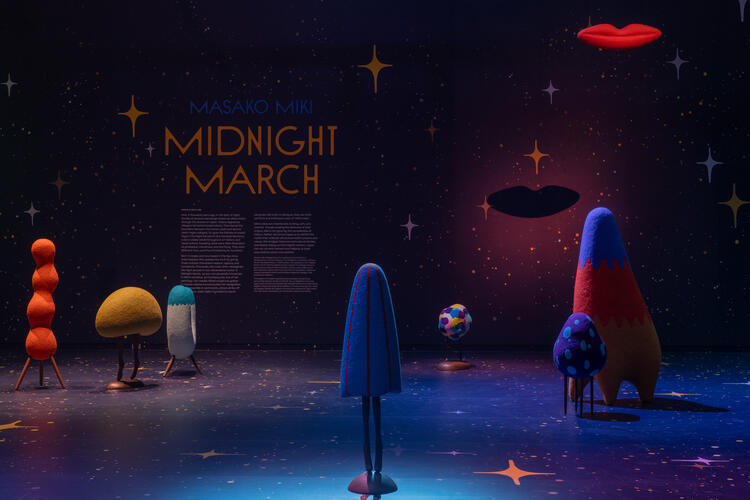
Over a thousand years ago, in the dark of night, hordes of paranormal beings known as yōkai rioted through the streets of Japan. Chaos reigned as villagers hid behind locked doors. They feared the boundary between the human world and demon realm might collapse. So goes the folktale of Hyakki Yagyō (The Night Parade of One Hundred Demons), a story widely retold throughout art history and visual culture. Parading yōkai were often illustrated as grotesque, monstrous, and terrifying. They were different from, and thus threatening to, humanity.
Born in Osaka and now based in the Bay Area, artist Masako Miki updates the myth by giving these outcast characters respect, agency, and complexity. Previously, she most often reimagined the night parade in two-dimensional works. In Midnight March, we are now physically immersed in Miki’s narrative, as if jumping into one of her paintings. Her needle-felted sculptures gather in riotous resistance and protest for recognition. Some assemble in community, others strike off on their own. Each visitor is invited to march alongside these characters and take part in this centuries-old myth. In doing so, they can both confront and embrace a cast of “otherness.”
Miki’s yōkai are intentionally inviting, soft, and colorful. Though erasing the darkness of their origins, Miki is not ignoring the complexities of history. Rather, she encourages us to rethink the myths that underpin all societal belief systems and values. She bridges historical and cultural divides, seamlessly taking us from eighth-century Japan into our current moment and helping us shed assumptions about one another.
Masako Miki: Midnight March is organized by the Institute of Contemporary Art San Francisco. The exhibition is curated by Ali Gass, ICA SF Founding Director + Chief Curator, with assistance from Meghan Smith, ICA SF LYRA Foundation Curator. Support for Midnight March is generously provided by Mia and Danny Conway; Jason Williams and Matt MacInnis; Jessica Silverman; and LYRA Art Foundation. Additional support provided by Marco and Geraldine Magarelli; Cadogan Tate; and Sherwin-Williams.
The MassArt Art Museum gratefully acknowledges the generous partnership between MAAM and ICA SF. We are delighted to have the opportunity to showcase Masako Miki: Midnight March on the East Coast. MAAM’s unique and imaginative exhibitions, events, and programs would not happen without the support of Anonymous; Natalie and Jake Lemle; The Jean Gaulin Foundation; and The Andree LeBoeuf Foundation. Thank you!
In watercolor and bronze, Miki highlights three special characters: a fox, a dancing cat, and a stack of mushrooms. Standing on a starry globe, reminiscent of the exhibition walls downstairs, is a shapeshifting fox. This Fox Delivering Messages is one of the most iconic figures in Japanese folklore. It has the power to cross realms, sharing information, and sometimes cleverly tricking humans. The two-tailed Awa-Dancing Cat is a powerful, mischievous spirit celebrated for its supernatural intelligence. Miki captures this cat in the middle of a joyful folk dance. The stack of Mushrooms Reaching to the Sky gazes out at us with a playful, tumbling energy. It symbolizes growth and transformation.
Miki created these new paintings and sculptures specially for Midnight March. She is fascinated by the concept of translation—whether across time, cultures, or mediums. In her paintings, all figures exist on the same flattened plane, removing any sense of hierarchical space. Instead—like Miki’s inks and watercolors, which bleed softly into each other—this version of the Night Parade story is fluid and open.
Elements from the sculptures on display downstairs appear upstairs in new forms. Colorful, vertical prayer beads are now scattered throughout the scene’s sky. Eyelashes flutter on shifting shapes. Anthropomorphic feet and hands dance across the paper. Miki updates folkloric characters in her own contemporary, imaginative visual language.
Influenced by Shinto animism, Masako Miki embraces the spirit in every being, object, and material. She sculpts these life-sized works by needle-felting: a labor-intensive process of repeatedly stabbing wool with a coarse needle to condense the fibers into three-dimensional forms. Much like shapeshifting yōkai, these sculptures spring to life through transformation.
In her painting practice, Miki often includes deep night sky “voids.” Here, she extracts and expands a special site-specific indigo void to set the stage for Midnight March. Yōkai and visitors alike are cocooned in an imagined galaxy of glittering stars and faraway planets. Moving through this gallery space at the same scale as her characters, we all become an integral part of Miki’s parade.
Awa-dancing Cat
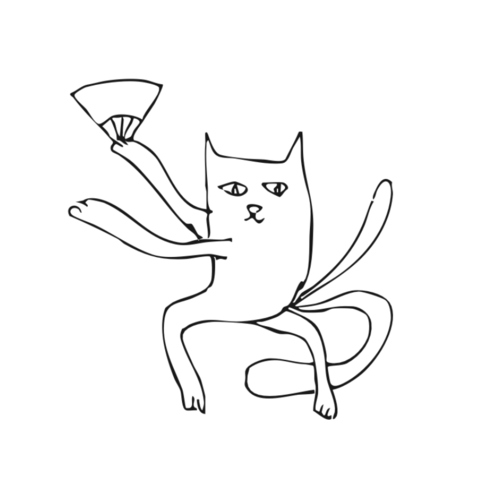
Awa-dancing Cat is featured in Masako Miki’s latest bronze sculptures and paintings.
In Japanese mythology, cats with two tails are powerful, mischievous spirits known as Nekomata, celebrated for their intelligence and supernatural abilities. Miki’s bronze sculpture Awa-dancing Cat Leading the Crowds captures the cat mid-dance to reference the Awa Odori, a centuries-old folk-dance festival held annually as a part of the larger Obon festival. The Obon festival is an annual Japanese Buddhist celebration in Japan and other communities in the Japanese diaspora to honor ancestors. The cat’s dancing pose represents a vivid expression of the collective joy and tradition central to Awa Odori.
Mushrooms
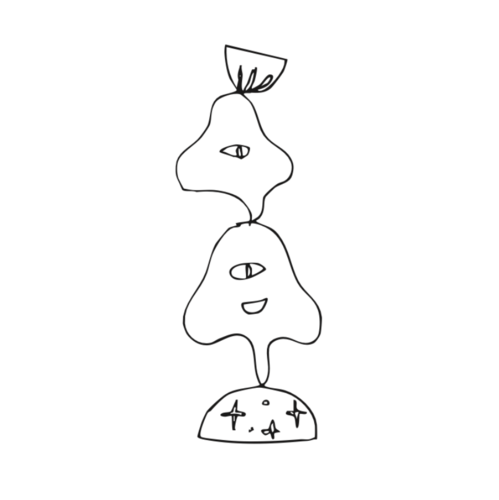
Mushrooms are another recurring motif in Miki’s practice symbolizing growth, transformation, and the potent spirits of the natural world. In many cultures, mushrooms are celebrated not only for their nutritional and ecological roles but also for their mystical, hallucinogenic properties. Miki playfully engages with this folkloric knowledge in her new bronze work, Mushrooms Reaching to the Sky, animating her stacked mushrooms into whimsical beings that radiate benevolent energy.
Fox
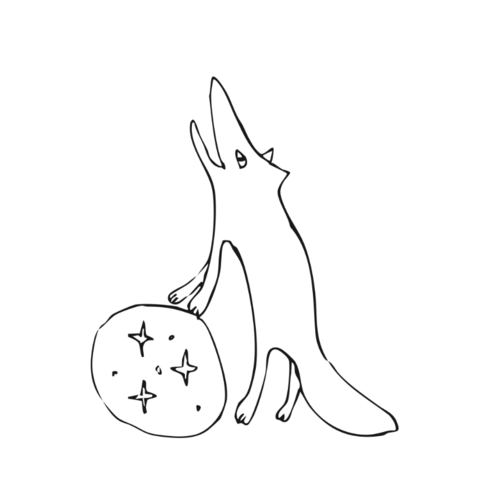
Foxes are among the most iconic figures in Japanese folklore, revered for their intelligence and associated with magical powers. They are often witty shapeshifters, sharing messages across realms, and either tricking or helping humans. Miki’s bronze sculpture Fox Delivering Messages—her first rendering of the creature in this medium—stands poised atop a globe. The globe is carved with the same night sky imagery as the exhibition walls, symbolizing mystery and the fox’s connection to these nocturnal secrets.
Eyes
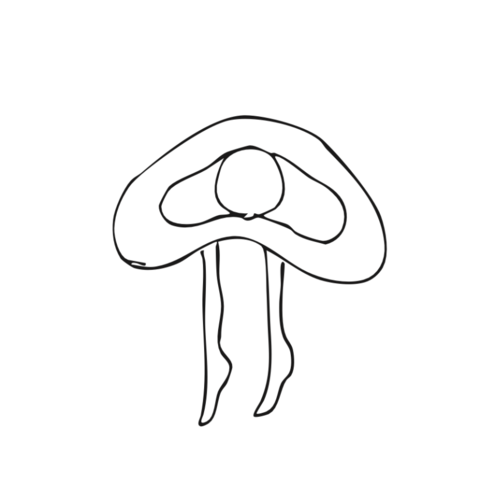
Miki often endows inanimate objects with eyes to represent heightened awareness, liveliness, and omniscience.
Lips
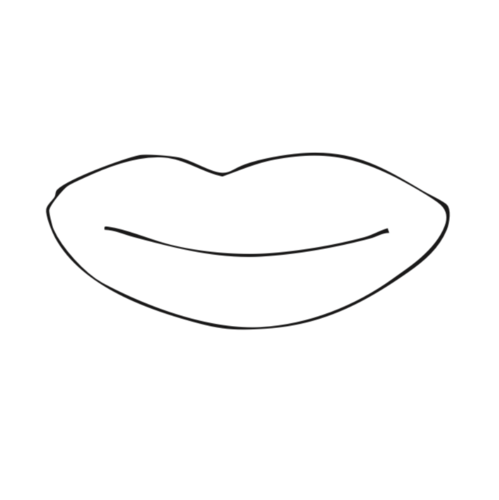
Japanese urban legends tell of Kuchisake-onna, a ghostly woman with slashed lips who seeks vengeance by terrifying passersby. In Enchanting Lips Shapeshifter, Miki reimagines this figure by isolating her lips and transforming her from a threat into a powerful, autonomous being floating over the exhibition.
Horse
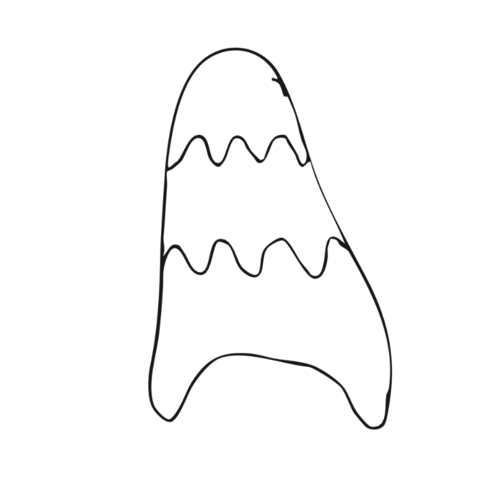
In the Shinto religion, horses are sacred creatures often seen as divine messengers. For Miki, the horse also evokes personal memories of an artist residency she attended in Kentucky, a region steeped in equestrian tradition. This (now headless) horse form merges inspiration from folkloric myth with the artist’s own experiences.
Umbrella
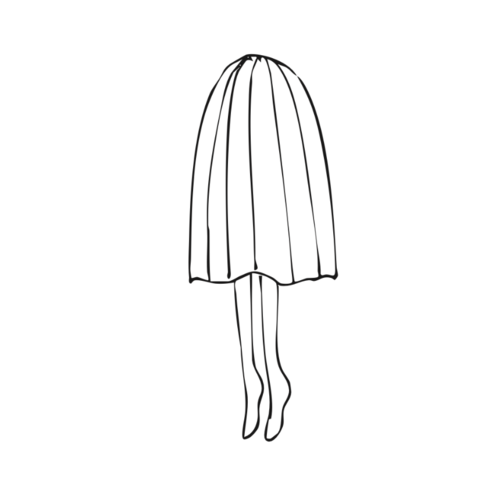
According to Japanese folklore, an umbrella that has endured years of use—or prolonged exposure to the elements—can spring to life and transform into a spirit. Miki’s anthropomorphic, colorful sculpture Umbrella’s Whispers has stylized legs that capture motion, liveliness, and play.
Cloud
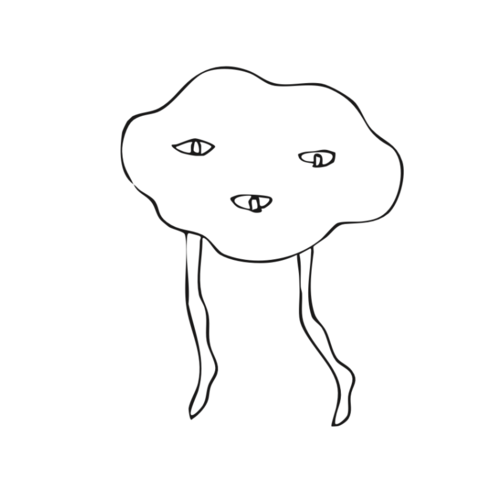
Spirit-filled clouds can suggest divine presence, transience, and the liminal space between sky and earth. Miki’s newest cloud sculpture, Descending Cloud Seeing a Path Forward, draws further inspiration from the iconic low fog named “Karl” in San Francisco (where Midnight March originally opened)!
Prayer Beads
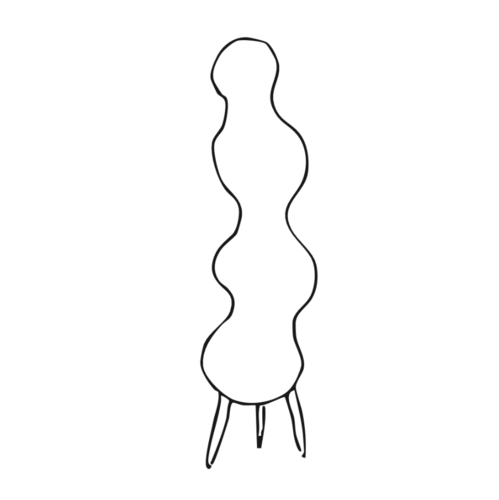
The inspiration for this work comes from a story included in the Otogi-zōshi, a group of about 350 Japanese illustrated short stories which remain unattributed, written primarily in the Muromachi period (1392–1573). Miki’s prayer beads reference a tale from this text about a monk who relies on his beads to guide a group of fellow monks. Miki brings the beads to life in three sculptures on view here, each in a different color. These prayer beads also appear in her paintings, but are instead scattered and floating throughout her compositions.
Cloth Deity (Sashiko Pattern)
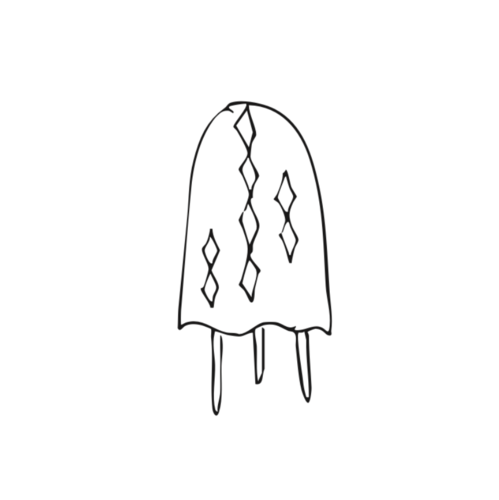
Sashiko Ghost ('little stabs' Traditional Japanese Embroidery) brings to life a popular yōkai shapeshifter form. The geometric patterns on the sculpture reference sashiko, a traditional Japanese stitching technique that is both decorative and functional.
Pine Trees
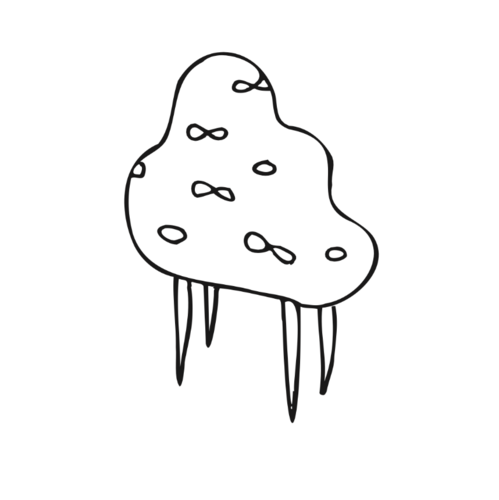
Inspired by traditional Japanese gardens, Miki abstracts the black pine tree commonly found in Japan’s coastal areas. In Ancient Tree Witness, curious eyes emerge from the pine’s foliage as its canopy hovers among the clouds.
Roly-Poly
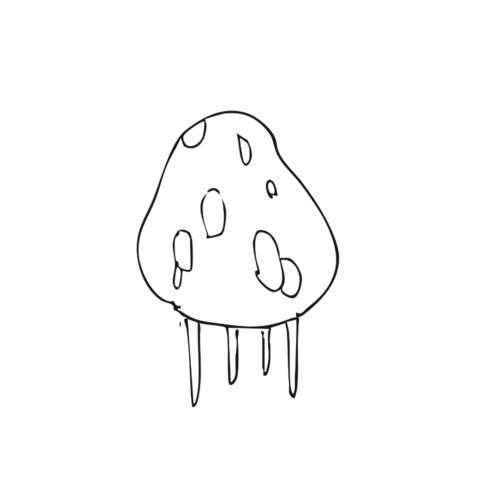
Masako Miki’s Roly-Polies highlight the Shinto belief that all living beings on Earth are sacred, no matter how small. This work draws inspiration from the fictional characters known as Ohmu: giant, intelligent millipedes from Hayao Miyazaki's 1984 animated film, Nausicaä of the Valley of the Wind. Roly-Polies are also depicted in traditional folk art and associated with good luck.
Sound Shapeshifter
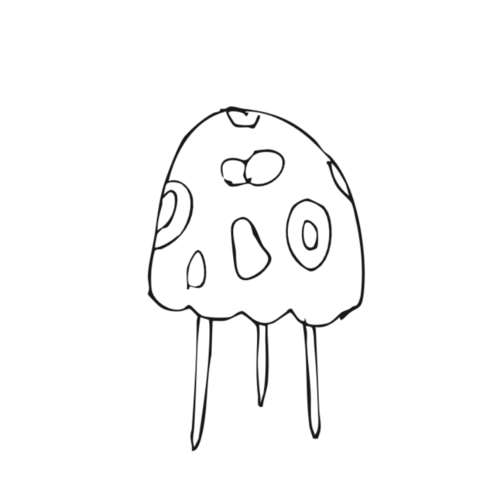
Masako Miki’s Sound Shapeshifters represent her experience of synesthesia—the neurological condition in which the stimulation of one sense involuntarily triggers the awareness of others.
The figures in these sculptures embody Miki’s synesthetic memory of particular sounds. Here, an echo heard in the forest transforms into a stout mushroom.
Rising Prayer Beads (Orange), 2024
Wool, XPS foam, walnut wood
Collection Geraldine and Marco Magarelli
Waterdrop From a Million Years Ago, 2023
Wool, XPS foam, maple wood
Collection Geraldine and Marco Magarelli
Sound Shapeshifter, 2022
Wool, XPS foam, wenge wood
Collection Tinsley and Thomas Hutson-Wiley
Neriio Furusoma Yokai (Sound Shapeshifter in Cream), 2022
Wool, XPS foam, walnut wood
Collection Jessica Silverman and Sarah Thornton
Furutsubaki no Rei (Aged Camellia Flower Spirit), 2023
Wool, XPS foam, walnut wood
Courtesy of the artist and RYAN LEE Gallery, New York
Sashiko Ghost ('little stabs' Traditional Japanese Embroidery), 2023
Wool, XPS foam, walnut wood
Courtesy of the artist and RYAN LEE Gallery, New York
Possessed Ancient Monolith Ghost, 2023
Wool, XPS foam, walnut wood
Courtesy of the artist and RYAN LEE Gallery, New York
Revealing Mirror Shapeshifter, 2022
Wool, XPS foam, walnut wood
Courtesy of the artist and Jessica Silverman, San Francisco
Watcher with Continuous Eyes, 2018
Wool, XPS foam
Courtesy of the artist and Jessica Silverman, San Francisco
Rising Prayer Beads (Blue), 2022
Wool, XPS foam, walnut wood
Courtesy of the artist and Jessica Silverman, San Francisco
Sound Shapeshifter (Chartreuse Green), 2024
Wool, XPS foam, wenge wood
Courtesy of the artist and Jessica Silverman, San Francisco
Ancient Tree Witness, 2023
Wool, XPS foam, walnut wood
Courtesy of the artist and Jessica Silverman, San Francisco
One Million-Year-Old Horse, 2024
Wool, XPS foam, wood
Collection Gretchen and Ethan Davidson
Enchanting Lips Shapeshifter, 2025
Wool, XPS foam
Private collection
Continuous Eye Awaiting, 2024
Wool, XPS foam, walnut wood
Courtesy of the artist and Jessica Silverman, San Francisco
Umbrella’s Whispers, 2025
Wool, XPS foam, walnut wood
Collection Sara Morishige Williams
Descending Cloud Seeing a Path Forward, 2025
Wool, XPS foam
Private collection
Kujaku Ao Kyorinrin (Animated Ancient Sutra in Peacock Blue), 2022
Wool, EPS foam, wenge wood
Collection Tad Freese and Brook Hartzell
Sentient Roly-Poly, 2021
Wool, XPS foam, walnut wood
Collection Sako and Bill Fisher
Singing Shapeshifter (Lilac), 2024
Wool, EPS foam, walnut wood
Collection Todd and Christine Fisher
Midnight March (blue and deep gray), 2025
Watercolor on paper
Courtesy of the artist and Jessica Silverman, San Francisco
Midnight March (blue and red violet), 2025
Watercolor on paper
Collection Lauren and Jamie Ford
Fox Delivering Messages, 2025
Patinated bronze
Courtesy of the artist and Jessica Silverman, San Francisco
Mushrooms Reaching to the Sky, 2025
Patinated bronze
Courtesy of the artist and Jessica Silverman, San Francisco
Awa-dancing Cat Leading the Crowds, 2025
Patinated bronze
Collection Mathieu Gaulin
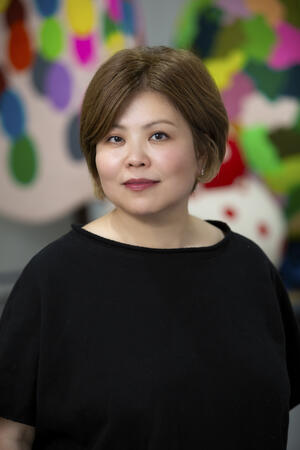
Masako Miki (b. 1973, Osaka, Japan) is an artist whose paintings, sculptures, and installations blur the boundaries between the sacred and the secular. Using a variety of materials, including wool, wood, bronze, ink, and watercolor, Miki creates characterful artworks rooted in the Indigenous culture of her Japanese birthplace but informed by the freedom and ambition of three decades of living in California. As Miki explains, “I hope that my works generate the kind of curiosity and empathy that enables us to come together.”
Miki has enjoyed solo shows and projects at the de Young Museum, San Francisco; Berkeley Art Museum and Pacific Film Archive (BAMPFA), CA; ICA San José, CA; and KMAC Contemporary Art Museum, Louisville, KY. She opened a two-person exhibition titled “(Super)Natural: Paul Klee and Masako Miki” at the San Francisco Museum of Modern Art (SFMOMA) on August 17, 2024. Her work is in the permanent collections of SFMOMA; BAMPFA; the McEvoy Foundation for the Arts, CA; Collección SOLO, Madrid; and Byrd Hoffman Water Mill Foundation, New York, among others. Recent commissions include a site-specific installation for the Minna Natoma Arts Corridor in San Francisco and a permanent installation of bronze sculptures at Uber HQ, San Francisco. Miki has a BFA from Notre Dame de Namur University and an MFA from San José State University, CA. She lives and works in Berkeley, CA. Miki is represented by Jessica Silverman, San Francisco, and RYAN LEE Gallery, New York.